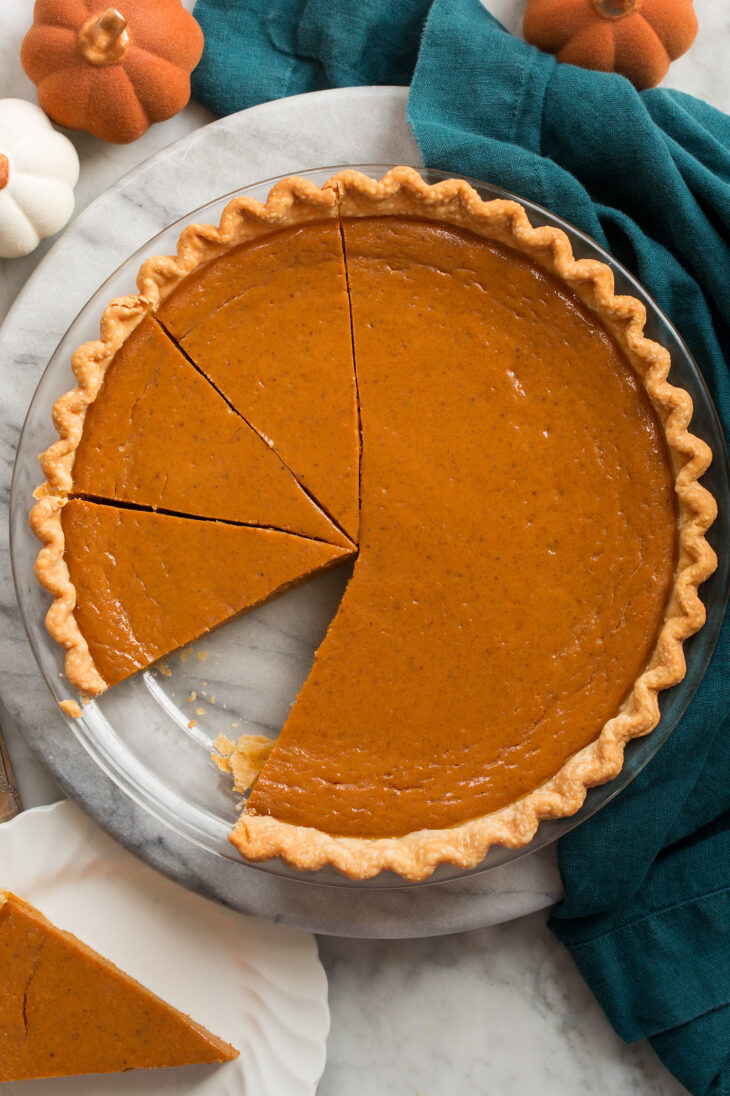
The Heart of Autumn: Unveiling the Best Flavor for Your Homemade Pumpkin Pie
Ah, pumpkin pie. The very mention conjures images of crisp autumn days, crackling fires, and the warmth of holiday gatherings. It's more than just a dessert; it's a culinary hug, a quintessential symbol of comfort and tradition, especially as Thanksgiving approaches. While store-bought pies can satisfy a craving, nothing quite compares to the rich aroma and tender texture of a homemade pumpkin pie, crafted with care from scratch. But for the aspiring home baker, a crucial question often arises: what's the secret to unlocking the absolute best flavor for this beloved classic?
At the core of every exceptional pumpkin pie lies the purée. And here, bakers face a choice that can subtly, yet significantly, impact the final taste: do you reach for the convenient can, or do you embark on the rewarding journey of making your own pumpkin purée from scratch by roasting a fresh pumpkin? Both methods yield delicious results, but each offers a distinct flavor profile that can elevate your pie from merely good to truly unforgettable. Let's delve into the great pumpkin purée debate and discover which path might lead to your ultimate homemade pumpkin pie.
The Allure of Homemade: Why Bake from Scratch?
Before we even discuss the pumpkin itself, let's appreciate why homemade reigns supreme. A truly great
homemade pumpkin pie is a symphony of textures and flavors. It starts with a crust – ideally a flaky, buttery masterpiece that crumbles delicately with each bite, providing a perfect counterpoint to the creamy filling. Then there's the custard: a luscious blend of dairy, eggs, and an aromatic medley of spices that sings of autumn.
Baking from scratch allows you complete control over every ingredient. You choose the quality of your butter for the crust, the richness of your half-and-half for the custard, and the freshness of your spices. This hands-on approach isn't just about taste; it’s about the joy of creation, the filling of your home with intoxicating aromas, and the satisfaction of presenting a dish crafted with love. It transforms a simple dessert into a cherished memory, a centerpiece for your holiday table.
Canned Pumpkin Purée: The Convenient and Consistent Choice
For many home bakers, canned pumpkin purée is a pantry staple, and for good reason. It offers unparalleled convenience, saving significant time and effort, especially when preparing a large holiday meal.
The Advantages of Canned Purée:
- Consistency: Canned purée provides a reliably consistent texture and moisture content, which is a huge plus for foolproof baking. You know exactly what you're getting every time, leading to predictable results in your pie.
- Time-Saving: No peeling, seeding, chopping, roasting, or blending required. Simply open the can and measure. This makes it an ideal option for busy bakers or those new to the pumpkin pie craft.
- Availability: Canned pumpkin is readily available in most grocery stores year-round, making it easy to whip up a pumpkin pie whenever the craving strikes.
- Good Flavor: While some might argue it lacks the depth of roasted pumpkin, canned purée still delivers that quintessential pumpkin flavor that forms the foundation of a classic pie.
Tips for Using Canned Purée:
Always ensure you're buying
100% pure pumpkin purée, not pumpkin pie filling. The latter contains added spices and sweeteners, which will throw off your recipe's balance. While generally consistent, some brands can vary slightly in moisture; if your purée seems particularly watery, you can gently simmer it on the stovetop for a few minutes to reduce some of the moisture before incorporating it into your filling.
Roasting Your Own Pumpkin: A Deeper, More Nuanced Flavor Experience
For those seeking to elevate their pumpkin pie to an artisanal level, making purée from scratch by roasting a fresh sugar pumpkin (or a suitable winter squash) is an endeavor well worth the extra effort.
The Roasting Process:
1.
Choose Your Pumpkin: Opt for smaller, sweeter varieties like a sugar pumpkin (also known as pie pumpkin). Other flavorful winter squashes such as kabocha, butternut, or even acorn squash also make excellent purée substitutes, often boasting a richer flavor profile than larger, less dense carving pumpkins.
2.
Preparation: Cut the pumpkin in half and scoop out the seeds and fibrous strands (reserve the seeds for roasting if desired!).
3.
Roasting: Line a baking sheet with parchment paper or a silicone mat. Place the pumpkin halves cut-side down on the prepared sheet. Roasting at around 350°F (175°C) for 1 to 1.5 hours, or until the flesh is easily pierced with a fork, caramelizes the natural sugars and concentrates the flavor. Placing them cut-side down helps steam the flesh, making it tender.
4.
Puréeing: Once cooled, scoop out the soft pumpkin flesh. For a truly silky-smooth purée, press the pulp through a food mill or a fine-mesh chinois. This extra step removes any stringy bits and results in an incredibly luxurious texture for your pie filling. Alternatively, a food processor can achieve a decent smoothness.
5.
Alternative Method: Steaming: If roasting isn't an option, you can cut the pumpkin into sections and steam it in a saucepan with a couple of inches of water until soft. Remember to drain it thoroughly before puréeing to avoid a watery filling.
The Flavor Payoff:
Roasting imbues the pumpkin with a deeper, more complex flavor. The caramelization that occurs during baking brings out a natural sweetness and nutty undertones that simply aren't present in canned varieties. This creates a richer, more "pumpkin-y" pumpkin pie that truly stands out. It's a taste that speaks to the earth and the season, a pure expression of fall.
The Flavor Showdown: Canned vs. Roasted - What the Taste Test Reveals
So, which purée ultimately wins the flavor crown? While taste is subjective, an informal experiment conducted by food enthusiasts often reveals a clear preference among adults. When presented with two slices of pumpkin pie – one made with canned purée and one with freshly roasted pumpkin – the pie crafted from roasted pumpkin often emerges as the favorite among adults. It's frequently described as having a richer, more profound flavor, a depth that makes the taste experience more interesting and memorable.
Children, however, may have different preferences. Some might favor the milder, more consistent flavor of the canned pumpkin pie, while others may not detect a significant difference. This highlights an important point: there's no single "best" choice, but rather a choice that aligns with your desired outcome and available time.
If your goal is a deeply flavorful pie that showcases the natural essence of pumpkin, roasting your own is the way to go. If convenience and a consistently good, classic pumpkin flavor are paramount, canned purée is an excellent, reliable option. Rest assured, regardless of the purée you choose, everyone will likely finish their slices (and the whipped cream, too!).
Crafting the Perfect Pumpkin Pie Custard and Spices
Beyond the purée, other elements are critical to a flawless homemade pumpkin pie. The custard filling needs to be rich and tender, while the spices should be fragrant and balanced.
The Spice Blend:
When people think of "pumpkin spice," they're truly imagining the spices in pumpkin pie: a harmonious blend of ground cinnamon, ginger, nutmeg, and typically cloves or allspice. These spices are warming, aromatic, and perfectly complement the sweetness of pumpkin. A small, often overlooked secret weapon to add a distinctive "sparkle" to your pie is a tiny pinch of ground cardamom – just an eighth of a teaspoon can elevate the flavor profile without overpowering it.
The Custard Base:
For a rich, tender filling, half-and-half is an excellent choice, providing a creamy texture without being overly heavy. The right balance of eggs ensures the custard sets beautifully without becoming rubbery.
Baking for Perfection:
One common concern for bakers is cracking. To achieve a smooth, unblemished surface, consider a two-stage baking process: start the pie at a higher temperature (e.g., 425°F/220°C) for the first 15-20 minutes to set the crust and edges, then reduce the temperature (e.g., 350°F/175°C) for the remainder of the baking time. This helps the pie cook evenly from the outside in, preventing the center from expanding and cracking. Interestingly, many recipes, including classic ones, don't require blind baking the crust for pumpkin pie; the filling and crust cook beautifully at the same rate. For more expert advice on achieving a perfect, crack-free pie, you might find
Bake Perfect Pumpkin Pie: Foolproof Tips for No Cracks & Flaky Crust particularly helpful.
Your pie is done when the edges are set, but the center still has a slight wobble when gently shaken. It will continue to set as it cools.
Conclusion
Whether you opt for the convenience of canned pumpkin purée or the rich, nuanced flavor of homemade roasted pumpkin, crafting a homemade pumpkin pie is a rewarding experience that brings the true spirit of autumn and tradition into your home. While canned purée offers consistent quality and saves time, roasting your own pumpkin can unlock a deeper, more complex flavor that many discerning palates adore. Ultimately, the "best" flavor comes down to your personal preference, your time investment, and the unique touch you bring to this timeless dessert. So, choose your purée, gather your fragrant spices, and get ready to bake a pumpkin pie that will be the highlight of your fall table.