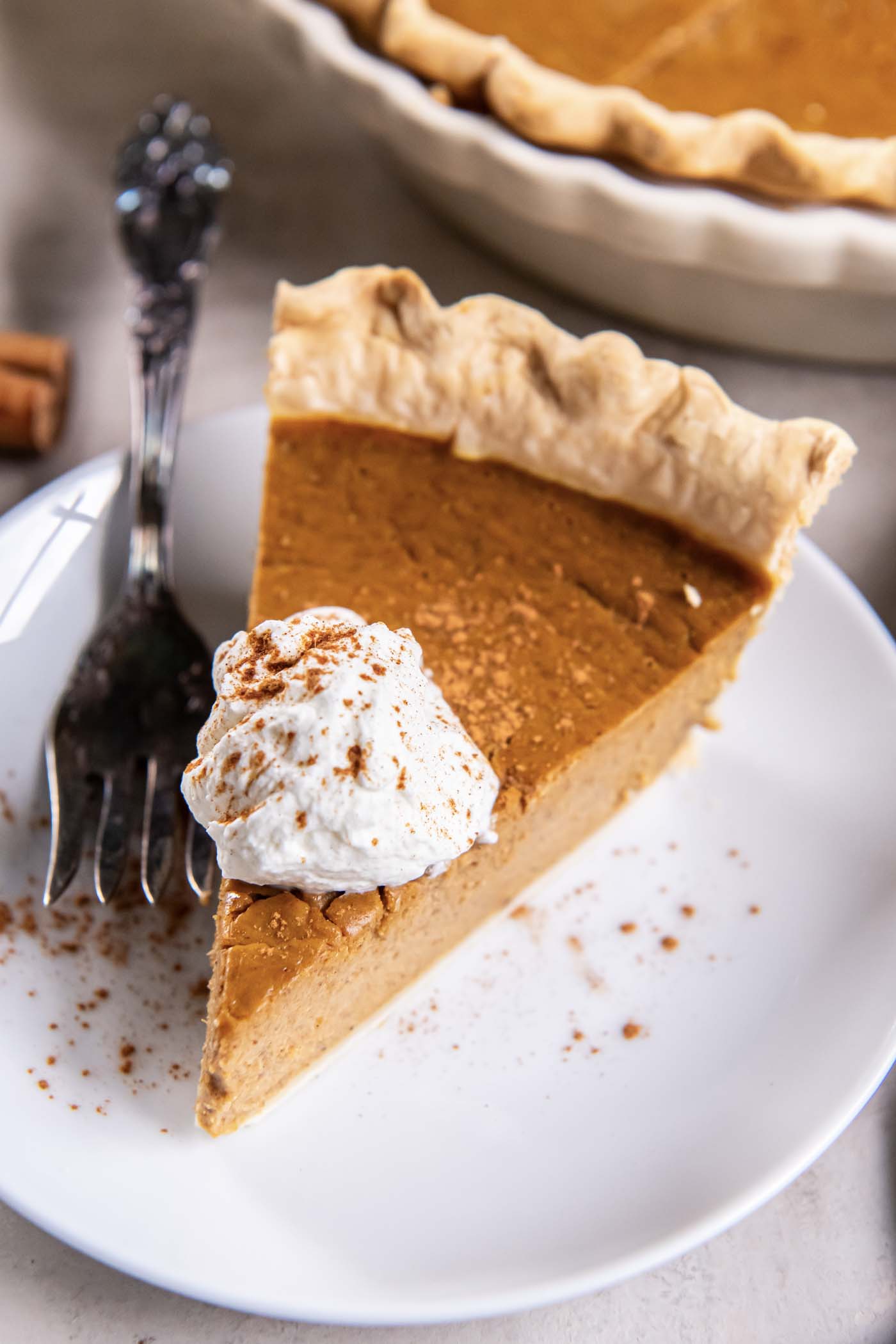
Making Homemade Pumpkin Pie: Guide to Rich Flavor & Perfect Spices
There’s a certain magic that happens when fall arrives, and for many, that magic culminates in the warm, inviting aroma of a freshly baked pumpkin pie. More than just a dessert, homemade pumpkin pie is a symbol of comfort, tradition, and the cozy embrace of the holiday season. While store-bought versions offer convenience, nothing compares to the rich flavor, tender custard, and flaky crust of a pie made from scratch. It’s a labor of love that rewards you with an unparalleled taste experience, making it the undisputed star of any Thanksgiving table or a delightful treat whenever the craving for authentic fall flavors strikes.
In this comprehensive guide, we'll delve into every aspect of crafting the ultimate homemade pumpkin pie. We'll explore the secrets to a perfect crust, the choice between canned and homemade pumpkin purée, the aromatic blend of spices that defines this beloved dessert, and the techniques for baking a flawless pie every time. Prepare to elevate your baking skills and delight your senses with a pumpkin pie that's not just good, but truly unforgettable.
The Foundation: Crafting the Perfect Pie Crust
Every exceptional pie begins with an exceptional crust, and pumpkin pie is no exception. A flaky, buttery homemade pie dough provides the ideal contrast to the creamy, spiced filling, creating a harmonious textural experience. While pre-made crusts are readily available and can certainly save time, investing a little effort into a homemade crust truly elevates your pie to another level. The difference in flavor and texture is profound, with homemade offering a delicate crispness and a rich, buttery taste that simply can't be replicated.
One common question when it comes to pie crusts, especially for custard-based fillings, is whether to blind bake. For pumpkin pie, the answer is a resounding *no* – there's no need to pre-bake your crust! The beauty of pumpkin pie is that the filling and the crust cook beautifully at the same rate. Simply pour your luscious pumpkin custard into an unbaked, chilled, or even frozen pie crust, and both elements will bake to perfection simultaneously. This not only simplifies the process but also ensures the crust remains tender and prevents it from becoming overly crisp or dry. For best results, use a crust that has been thoroughly chilled, as this helps maintain its structure and flakiness during baking.
The Heart of the Pie: Pure Pumpkin Flavor
The true essence of any pumpkin pie lies in its pumpkin purée, and here you face a delightful choice: the convenience of canned or the nuanced depth of homemade. Both options can yield delicious results, but understanding their differences can help you achieve your desired flavor profile.
Canned Pumpkin: Convenience Meets Consistency
Canned pumpkin purée is a fantastic option for its sheer convenience and consistent results. It's readily available, pre-cooked, and smooth, making it incredibly easy to incorporate into your pie filling. For busy bakers or those new to homemade pie, canned purée guarantees a reliably good pumpkin pie without the extra steps. It delivers a classic, comforting flavor that many associate with traditional holiday baking.
Roasting Your Own: Unlocking Deeper Dimensions
For those seeking a more profound and complex flavor, making your own pumpkin purée from scratch is an absolute game-changer. The process of roasting a sugar pumpkin (also known as pie pumpkin) or other flavorful winter squash like kabocha or butternut squash caramelizes their natural sugars, intensifying their sweetness and imparting a deeper, more earthy, and genuinely "pumpkiny" flavor that canned purée simply can't match.
We once conducted a blind taste test, and the results were clear: adults overwhelmingly preferred the pie made from roasted pumpkin purée. It offered a richness and depth that truly distinguished it. To make your own purée, start by cutting a medium-small sugar pumpkin in half. Scrape out the seeds and stringy bits (you can reserve the seeds for roasting as a snack!). Line a baking sheet with parchment paper, foil, or a Silpat mat, and place the pumpkin halves cut-side down. Roast at 350°F (175°C) for about 1 to 1½ hours, or until the flesh is incredibly tender and easily pierced with a fork. Once cooled, scoop out the soft pulp. Alternatively, you can cut the pumpkin into sections and steam them in a saucepan with a few inches of water until soft; just be sure to strain any excess moisture before using. For an exceptionally smooth purée, press the cooked pulp through a food mill or chinois. This extra step ensures a silky-smooth custard. Explore more about this crucial decision in our detailed comparison:
Homemade Pumpkin Pie: Canned vs. Roasted Purée for Best Flavor.
The Soul of the Season: Mastering Pumpkin Pie Spices
When people think of "pumpkin spice," what they're truly envisioning is the fragrant, warm blend of spices found in a classic pumpkin pie. This aromatic medley is what transforms simple pumpkin and custard into the iconic fall dessert we all adore. The typical components include:
*
Cinnamon: The dominant and most recognized spice, providing warmth and a slightly sweet, woody note.
*
Ground Ginger: Adds a zesty, pungent kick that brightens the overall flavor.
*
Nutmeg: Offers a sweet, musky, and slightly peppery undertone, essential for depth.
*
Cloves and/or Allspice: These two spices share similar warm, sweet, and pungent characteristics. Often, you'll choose one or the other, as using both can be redundant or overpowering. They provide that quintessential "holiday" aroma.
While these four are the backbone, our secret weapon for an elevated pumpkin pie is a tiny hint of
ground cardamom. An eighth of a teaspoon might not seem like much, but this subtle addition introduces a bright, slightly citrusy, and uniquely aromatic "sparkle" that lifts the entire spice profile without being overtly noticeable. It’s that je ne sais quoi that makes people wonder what your secret ingredient is!
For the best flavor, always ensure your spices are fresh. Ground spices lose their potency over time, so if your jar has been sitting in the pantry for years, it's time for an update. Consider grinding whole spices yourself for an unparalleled aromatic experience. You can also mix your own blend in advance, ensuring a perfectly balanced spice profile every time you bake.
Baking Your Masterpiece: Achieving a Flawless Finish
With your perfectly prepared crust and rich, spiced pumpkin filling ready, it's time to bring your creation to life in the oven. The baking process for pumpkin pie is designed to cook the custard filling evenly and prevent common issues like cracking, ensuring a beautifully smooth and tender result.
The custard base of pumpkin pie, often enriched with half-and-half or evaporated milk, needs gentle heat to set properly. The key to preventing cracks and achieving a silky texture lies in a two-stage baking temperature. You'll typically start your pie in a hot oven, around 425°F (220°C), for the first 15 minutes. This initial burst of high heat helps to set the crust and the outer edges of the filling quickly. After this initial period, you'll reduce the oven temperature to a more moderate 350°F (175°C) for the remainder of the baking time, usually another 45-55 minutes. This lower temperature allows the pie to continue cooking gently and evenly all the way through, preventing the center from rising too quickly and cracking as it cools.
How do you know when your pumpkin pie is done? The pie is ready when the edges are set and slightly puffed, but the very center still has a slight, almost imperceptible jiggle when gently shaken. An inserted knife or toothpick near the edge should come out clean. Avoid overbaking, as this can lead to a dry filling and cracks. Once baked, remove the pie from the oven and allow it to cool completely on a wire rack for several hours, or even overnight. This cooling period is crucial for the custard to fully set and achieve its perfect texture. For more expert advice on achieving that perfect bake, including foolproof tips for a flawless crust and no cracks, check out:
Bake Perfect Pumpkin Pie: Foolproof Tips for No Cracks & Flaky Crust. Serve your cooled pumpkin pie with a dollop of sweetened whipped cream for the ultimate traditional indulgence.
Conclusion
Creating a homemade pumpkin pie from scratch is a deeply rewarding experience that transcends the simple act of baking. From the moment you roll out your buttery dough to the final flourish of whipped cream, each step contributes to a dessert that's rich in flavor, tradition, and personal satisfaction. Whether you choose the reliable convenience of canned purée or embark on the journey of roasting your own, whether you stick to classic spices or introduce a hint of cardamom, the effort you put in will be undeniably worth it. This guide equips you with the knowledge and confidence to bake a pumpkin pie that will not only impress your guests but also fill your home with the undeniable magic of the season. So go ahead, embrace the joy of homemade, and savor every exquisite slice.